Understanding the Basics of 18000 BTU Mini Splits
If you're considering efficient and effective heating and cooling solutions for your home, understanding the fundamentals of the 18000 btu mini split is vital. These systems have become increasingly popular due to their versatility and energy efficiency, making them a top choice for homeowners looking to manage their indoor climate effectively.
What is an 18000 BTU Mini Split?
An 18000 BTU mini split system is a type of ductless air conditioning and heating solution, capable of delivering 18,000 BTUs of cooling or heating power. This capacity is ideal for spaces ranging from 550 to 1,250 square feet, depending on insulation and ambient conditions. Unlike traditional HVAC systems, mini splits do not require ductwork, allowing for more flexible installation options and reducing energy losses associated with ducted systems.
How Does a Mini Split System Work?
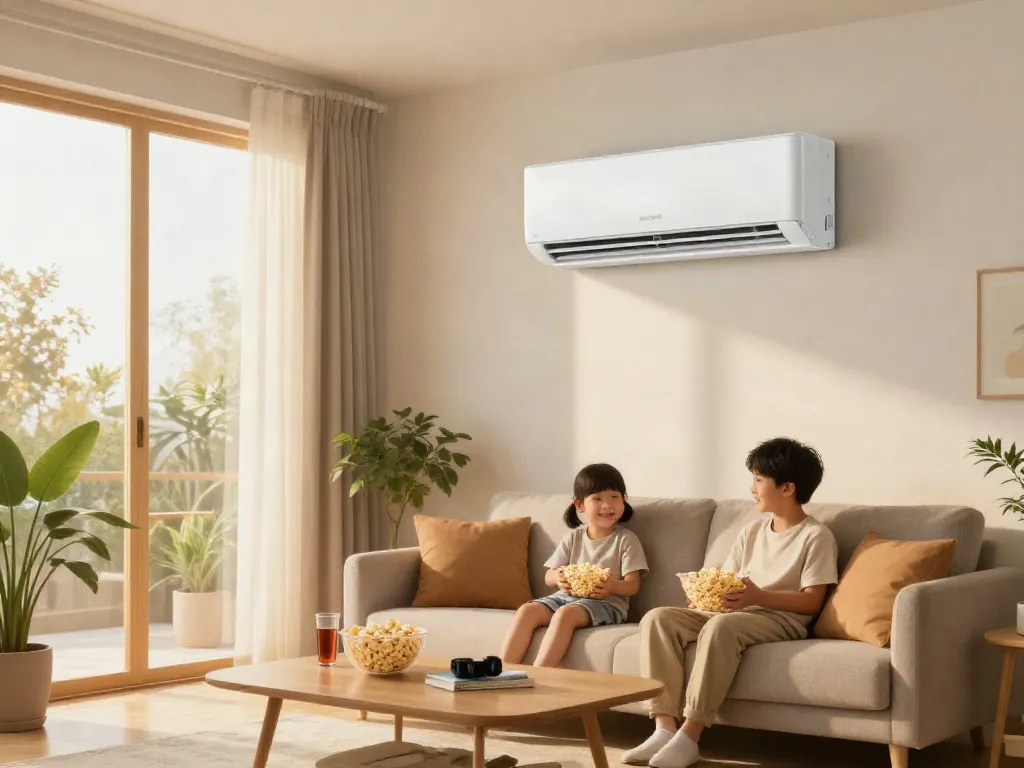
The mini split system consists of two main components: an indoor air-handling unit and an outdoor condenser unit. The indoor unit, which is mounted on the wall, draws in air from the room, cools or heats it, and then circulates it back into the space. The outdoor unit absorbs heat from the outside air (even in colder temperatures) and transfers it indoors. The system utilizes refrigerant lines to connect the two units, enabling heat exchange.
Key Benefits of Using Mini Split Systems
- Energy Efficiency: Mini splits are known for their high SEER (Seasonal Energy Efficiency Ratio) ratings, which means lower electricity costs.
- Easy Installation: The absence of ductwork makes installation simpler and less invasive, often completed within a day.
- Flexible Design: Homeowners can choose between single or multiple indoor units, allowing for personalized climate control in different areas.
- Improved Air Quality: Mini splits typically come equipped with advanced filtration systems that improve indoor air quality by removing allergens and pollutants.
Choosing the Right 18000 BTU Mini Split for Your Home
When selecting an 18000 BTU mini split for your home, several factors must be considered to ensure it meets your heating and cooling needs effectively.
Factors to Consider When Selecting a Mini Split
- Room Size: Measure the square footage of the area you'll be cooling or heating and ensure the unit's BTU rating matches.
- Insulation: Evaluate the quality of your home’s insulation, as this will affect how much heating or cooling is needed.
- Energy Efficiency Ratings: Look for units with high SEER ratings for better energy savings.
- Noise Levels: Some models operate more quietly than others; consider this if you're sensitive to noise.
Comparing Brands: A Look at Top Models
Several brands offer trusted models of 18000 BTU mini splits, including Mitsubishi, Daikin, and LG. Each brand has its strengths, such as energy efficiency, features, and customer support. Researching reviews and product specs will guide you to the best option for your specific requirements.
Cost Considerations and Budgeting for Installation
Prices for 18000 BTU mini splits can vary widely, averaging between $1,500 and $3,000, including installation. It's essential to account for installation costs, which may range from $500 to $1,500 depending on the complexity of the installation and your location. Creating a budget that includes both the unit and installation will help you make an informed decision without overspending.
Installation and Maintenance of Your Mini Split System
Correct installation and maintenance are crucial for ensuring the longevity and efficiency of your mini split system.
Professional vs. DIY Installation: Pros and Cons
While some homeowners may consider DIY installation for their 18000 BTU mini split, hiring a professional is often recommended. Professionals bring the expertise required to handle refrigerant lines and electrical connections safely, ensuring optimal performance. However, DIY installation can save money if you are experienced and have the necessary tools.
Essential Maintenance Tips for Longevity
- Regular Filter Cleaning: Check the filters monthly and clean or replace them to maintain airflow and efficiency.
- Inspect the Outdoor Unit: Keep the area around the outdoor unit free from debris and vegetation to ensure proper airflow.
- Check Refrigerant Levels: Low refrigerant levels can indicate leaks. Regularly check and maintain proper levels.
- Schedule Professional Maintenance: Consider annual check-ups by a certified technician to ensure everything is functioning correctly.
Common Issues and Troubleshooting Tips
Common issues with mini split systems include inadequate cooling or heating, unusual noises, and remote control malfunctions. Troubleshooting these problems often involves checking the thermostat settings, ensuring clear pathways for airflow, and inspecting the filters. If issues persist, consulting a professional technician is advisable.
Evaluating Performance: How to Monitor Efficiency
Understanding how to assess the performance of your mini split system will help you manage energy consumption and maintain optimal comfort.
Understanding SEER Ratings and What They Mean
SEER ratings measure the cooling output of an air conditioner relative to the energy consumed. A higher SEER rating indicates better energy efficiency. An 18000 BTU mini split typically boasts SEER ratings of 15 or higher, making them a cost-effective option for cooling larger spaces.
Using Apps and Smart Technology for Monitoring
Many modern mini split systems integrate with smart home technology, allowing users to monitor and control their systems via smartphone apps. Features often include remote temperature adjustments, usage tracking, and alerts for maintenance needs.
Setting Temperature Goals for Optimal Performance
To maximize efficiency, set your thermostat to a moderate temperature during peak usage times. This approach helps to maintain comfort without overworking the system, leading to energy savings and prolonged system life.
Future Trends in Mini Split Technology
As technology evolves, mini splits are becoming more advanced, offering even greater efficiency and ease of use.
Innovations on the Horizon for 2026 and Beyond
Emerging technologies promise improvements in energy efficiency, noise reduction, and smart home integration. Expect to see advancements in inverter technology and enhanced refrigerant options that minimize environmental impact.
Energy Efficiency Trends and Environmental Impact
Growing awareness of energy consumption and climate change is driving the demand for energy-efficient mini split systems. Future regulations may call for even higher SEER ratings, pushing manufacturers to innovate continuously.
Smart Home Integration: How Mini Splits Fit In
As smart home technology gains traction, mini splits are increasingly compatible with systems like Amazon Alexa and Google Home, allowing users to control climate settings via voice commands or automated schedules.
What is the lifespan of a mini split system?
The average lifespan of a mini split system ranges from 15 to 20 years, provided it is maintained correctly. Regular servicing can help extend this lifespan while also improving energy efficiency.
Can I install an 18000 BTU mini split myself?
While it is technically possible to install a mini split yourself, it is generally advisable to hire a professional. This approach ensures compliance with local regulations and proper system functionality.
What is the average cost of an 18000 BTU mini split?
The cost of an 18000 BTU mini split system generally ranges from $1,500 to $3,000, including installation costs, depending on various factors like brand and specific features.
How do I choose the right size mini split for my room?
Choosing the right size mini split involves assessing your room's square footage, insulation quality, and specific climate conditions. An HVAC professional can help determine the best BTU rating for your needs.
What are the advantages of a ductless mini split system?
Ductless mini split systems offer numerous advantages, including improved energy efficiency, better air quality, and flexible installation options that do not require ductwork.